Buying Rural Property in Northeast Oklahoma: What to Know About Well Water and the Boone & Roubidoux Aquifers
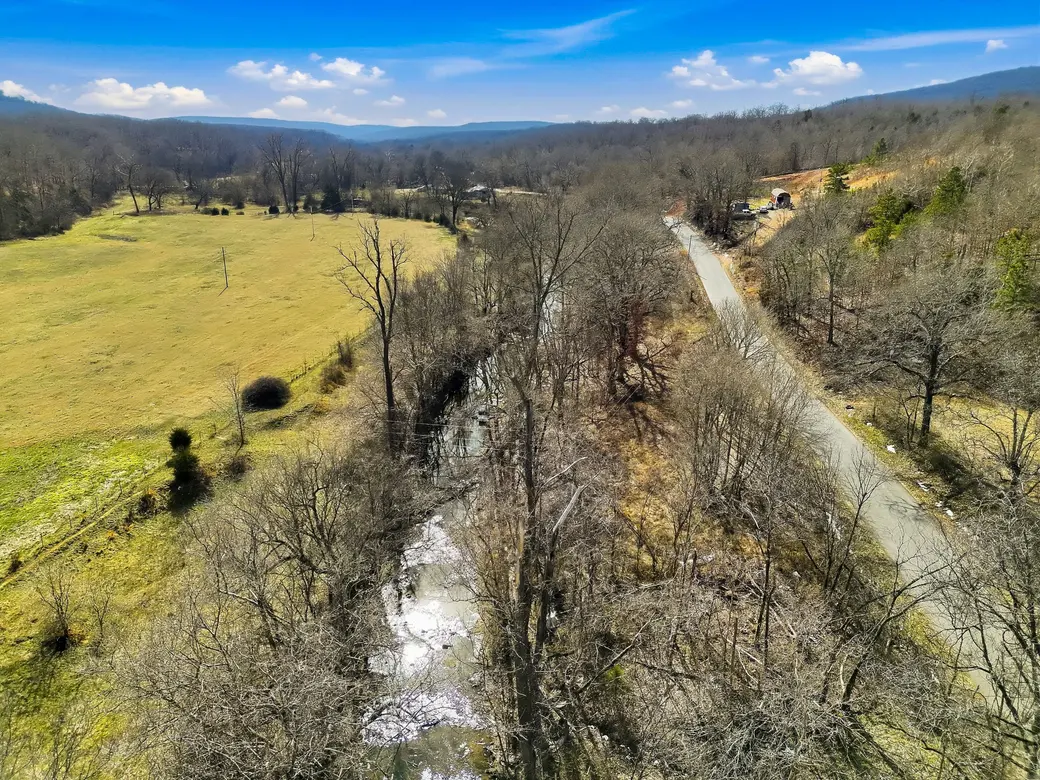
Before You Buy Rural Property, Know Where the Water Comes From
For many rural properties in Northeast Oklahoma, water comes from a private well rather than a municipal water system. That makes the geology beneath the property more than an interesting local fact—it can be an important part of understanding what you're buying.
Two aquifers you'll commonly hear about in our area are the Boone aquifer and the deeper Roubidoux aquifer. They behave differently, and understanding those differences can help buyers know what questions to ask about an existing well—or what to investigate before drilling a new one.
The goal isn't to become a geologist before buying land. It's to know enough to ask the right questions.
Boone vs. Roubidoux: What's the Difference?
The Boone Aquifer
The Boone is the shallower of the two and is generally an unconfined aquifer, meaning it is more directly connected to water moving through the landscape above it. In Northeast Oklahoma, it is an important source of domestic well water.
Boone wells typically produce relatively modest amounts of water. The Oklahoma Water Resources Board reports that wells completed in the Boone average less than 10 gallons per minute, although substantially higher yields can occur where a well intersects fractures or caverns in the rock.
Because the Boone is relatively shallow and connected to the surface environment, local geology, fractures, rainfall, drought and surrounding land conditions can matter when evaluating a Boone well.
The Roubidoux Aquifer
The Roubidoux lies much deeper—typically more than 400 feet below the surface across much of the Northeast Oklahoma study area—and is separated from the Boone by what geologists call the Ozark confining unit.
That confining layer is an important distinction. Rather than being as directly connected to surface conditions as the Boone, the Roubidoux is a deeper groundwater system.
The Roubidoux is classified by Oklahoma as a major bedrock aquifer. Wells commonly produce around 100 to 1,000 gallons per minute, although actual well yield varies considerably by location. Because of that capacity, the Roubidoux supplies not only individual wells but also municipalities, rural water districts, agriculture, commerce and industry.
What does that mean for a property buyer?
A deeper well is not automatically a better well, and simply knowing that a property has “well water” doesn't tell you enough.
When we're looking at rural property, some of the questions worth asking include:
- How deep is the well?
- What formation or aquifer is it completed in?
- What is the well's production rate?
- How old are the well and pump?
- Is there a well log?
- Has the water been tested recently?
- Have neighboring wells experienced seasonal or drought-related problems?
- If there is no existing well, what are nearby wells like?
For buyers who want to dig deeper, the U.S. Geological Survey and Oklahoma Water Resources Board have conducted an extensive study of the Boone and Roubidoux aquifers in Northeast Oklahoma.
Why This Matters in Northeast Oklahoma
The Boone and Roubidoux aquifers aren't just abstract geological formations—they are two of the primary sources of fresh groundwater beneath Northeast Oklahoma. The aquifers extend beneath portions of Adair, Cherokee, Delaware, Sequoyah and several surrounding counties, making groundwater an important consideration for many rural properties in this part of the state.
That matters because two properties only a few miles apart can have very different water situations. One property may have a relatively shallow domestic well completed in the Boone, while another may rely on a much deeper well. Well depth, geology, fractures in the rock, topography and the aquifer being used can all influence what a buyer encounters.
The Boone and Roubidoux are also part of a much larger groundwater system extending into Arkansas, Missouri and Kansas, so the geology beneath Northeast Oklahoma is part of the broader Ozark Plateau system.
For someone buying acreage, a farm, or a rural home, this is why we recommend looking beyond the simple question, “Does it have a well?”
A better question is:
“What do we know about this well and the groundwater source beneath this property?”
That can lead to much more useful due diligence before purchasing.
A Well Is Part of the Property
When we're helping someone evaluate rural property, we think of a private well much like we would a septic system, easement or survey. It's another piece of the property that deserves investigation.
An existing well may warrant reviewing the well log, asking about depth and production, having the water tested, learning the age and condition of the pump and pressure system, and talking with a qualified local well professional when appropriate.
On vacant land without a well, nearby well records can also provide useful clues—but they cannot guarantee what a new well will produce. Groundwater conditions and well yields can vary substantially even within the same aquifer. For example, Oklahoma's current hydrologic information says Boone wells typically average less than 10 gallons per minute, but considerably higher yields can occur when wells encounter fractures or caverns. Roubidoux well yields also vary widely.
That uncertainty is exactly why understanding the land matters when buying rural real estate.
Want to explore the science?
The U.S. Geological Survey, working with the Oklahoma Water Resources Board, has studied groundwater availability in the Boone and Roubidoux aquifers, including how the systems may respond to pumping and drought.
Questions to Ask Before Buying a Property With a Well
If you're considering a rural home or acreage with a private well, here are some questions worth asking during your due diligence:
- How deep is the well?
- When was it drilled?
- Is there a well log available?
- What is the reported production or flow rate?
- How old are the pump and pressure tank?
- Has the water been tested recently?
- Has the seller experienced water shortages during dry periods?
- Are there abandoned or unused wells on the property?
- Where are the well and septic system located in relation to each other?
- If there isn't a well, what do nearby well records tell us about the area?
Buying Rural Property Takes a Different Kind of Due Diligence
One of the things we love about Northeast Oklahoma is the variety of property here—from wooded acreage and small farms to lake properties and homes tucked into the Ozark foothills.
But rural property also comes with questions you don't always encounter when buying a house in town.
Water is one of them.
Understanding the existing well, the groundwater beneath the property, and what additional investigation may be appropriate can help you make a much more informed decision before purchasing.
Jessica & Adam Greene | Greene Land & Home
SEARCH PROPERTIES
Helping buyers and sellers navigate homes, land and rural property throughout Northeast Oklahoma and Northwest Arkansas.
Recent Posts





${companyName}
Phone